
The Swiss Paradox: How to Rent an Apartment Without a Bank Account.
Moving to Switzerland is a dream for many, but the logistical reality often feels like a riddle. You are likely familiar with the “Swiss Paradox”:
- You need a Swiss bank account to pay rent.
- You need a registered address to open a bank account.
- You can’t get a registered address without renting an apartment.
If you are stuck in this loop, don’t panic. This guide breaks down exactly how to navigate your first 30 days in Switzerland, land on your feet, and secure a home without the headache.
Step 1: The “Anmeldung” (Registration) is Priority #1
Before you worry about Wi-Fi or furniture, you must worry about the Kreisbüro (District Office).
Swiss law is strict: you must register with the local authorities within 14 days of arrival. To do this, you need a rental contract.
The Fix: Ensure your first accommodation explicitly allows for official registration. If you can’t register there, you legally “don’t exist” in the system yet.
The Problem: Hostels and Airbnbs often do not provide the necessary “Wohnungsnachweis” (proof of residence) required for official registration.
Step 2: Cracking the Rental Application (The Dossier)
In cities like Basel, Zurich, and Geneva, the vacancy rate is often below 1%. When you apply for a long-term unfurnished apartment, you are competing against 20-50 other people.
To win, you need a perfect Rental Dossier. A standard Swiss dossier includes:
- Passport/ID Copy: Valid and clear.
- Residence Permit (B or L): Or proof that it is being processed.
- Employment Contract: Proving your monthly salary is at least 3x the rent.
- Betreibungsauskunft: This is a vital Swiss document—an extract from the debt collection register proving you have no debts. Note: You can usually only get this after you have been registered for a few months.
Pro Tip: If you just arrived and don’t have a debt record yet, order a credit report from your home country to include as a substitute. It shows goodwill and organization.
Step 3: The “Soft Landing” Strategy
Because the permanent market is so competitive, most successful expats don’t aim for their “forever home” immediately. They use a “Soft Landing” strategy.
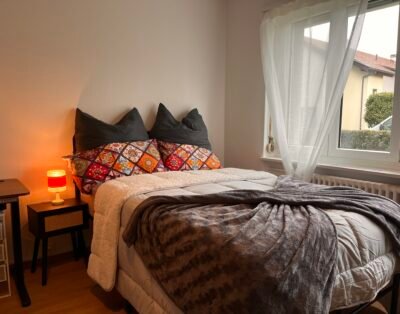
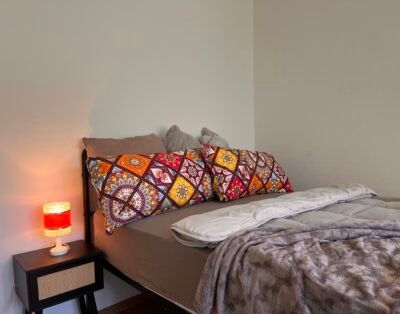
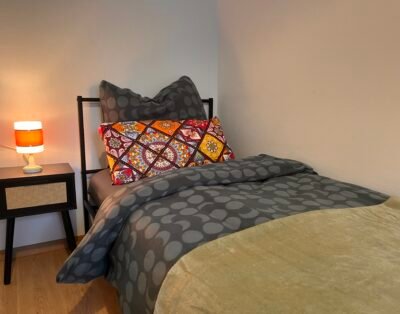
Instead of fighting for a permanent lease from day one, book a temporary, furnished apartment for 3 to 6 months.
Why this works:
Build Your Credit: Living here for 3 months allows you to generate a Swiss credit history and get that essential Betreibungsauskunft.
Immediate Registration: Verified temporary housing platforms provide the contract you need for the Anmeldung.
Time to Hunt: You can view permanent flats in person (which landlords prefer) rather than applying blindly from abroad.
Step 4: Understanding Swiss Tenancy Culture
Once you move in, there are a few unwritten rules to keep your neighbors happy:
Garbage Tax: You cannot use generic black bags. You must buy official taxed bags (e.g., “Bebbi-Sagg” in Basel or “Züri-Sack” in Zurich) from the supermarket.
The Washing Schedule: In many buildings, laundry rooms are shared, and you must sign up for a slot. Sticking to your slot is sacred.
Quiet Hours (Ruhezeit): Generally, no loud noise between 10 PM and 7 AM, and all day on Sundays. Yes, this often includes vacuuming and recycling glass bottles!
Conclusion: Start Simple
Switzerland is efficient, clean, and beautiful, but it requires paperwork. Don’t try to solve everything in week one. Secure a temporary base where you can register, open your bank account, and breathe. Once you are in the system, the rest of the doors will open.
Looking for that initial base? Rumyfi specializes in furnished, registration-ready apartments designed for this exact “soft landing.” Browse our available rooms and start your Swiss journey the right way.